


Understanding Global Wedding Traditions
- Neil Persad
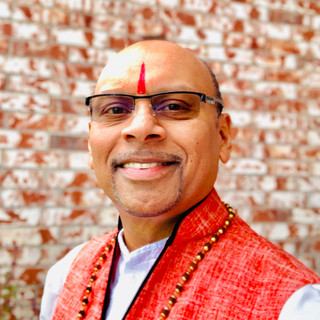
- Dec 22, 2025
- 4 min read
Weddings are a universal celebration of love and commitment. Yet, the ways people mark this special day vary widely across cultures. Each tradition carries deep meaning and reflects the values of the community. Exploring these customs offers insight into the diversity of human connection. I share some fascinating global wedding traditions to inspire and inform your own planning.
Exploring Global Wedding Traditions
Around the world, wedding ceremonies differ in style, symbolism, and rituals. Some focus on family unity, others on spiritual blessings or community celebration. Here are a few examples:
India: Hindu weddings often last several days. The saptapadi or seven steps around the sacred fire symbolize vows. A priest guides the couple through these steps, invoking blessings. Bright colors, especially red, dominate the attire and decorations.
Japan: Shinto weddings involve purification rituals. The couple drinks sake in a ceremony called san-san-kudo, sharing three sips each from three cups. This act binds them spiritually.
Kenya: The Maasai people celebrate with jumping dances. The groom’s ability to jump high shows his strength and readiness to protect his family.
Mexico: The lazo ceremony uses a rope or rosary tied in a figure-eight around the couple. It symbolizes their binding love and unity.
Scotland: The tradition of handfasting ties the couple’s hands together with a ribbon or cord. This ancient Celtic ritual represents their union.
These examples show how weddings blend cultural identity, spirituality, and social values. They also highlight the importance of community participation and blessings.

What is the 30 5 rule for weddings?
The 30 5 rule is a simple guideline for planning wedding speeches and toasts. It suggests:
30 seconds: Keep each speech or toast brief. This keeps the event moving and holds guests’ attention.
5 minutes: Limit the total time for all speeches combined to five minutes. This prevents the ceremony from feeling long or tedious.
This rule helps maintain a lively atmosphere. It also respects the schedule, especially important for destination weddings where timing is tight. Speakers should prepare concise, heartfelt messages. Avoid long stories or inside jokes that guests may not understand.
Unique Wedding Customs to Consider
Some wedding customs stand out for their uniqueness and symbolism. These can add special meaning to your ceremony or inspire new ideas.
Breaking the glass (Jewish weddings): The groom breaks a glass underfoot to symbolize the fragility of relationships and the commitment to stand by each other through hard times.
Money dance (Philippines): Guests pin money on the bride and groom’s clothes to help them start their new life. It’s a joyful way to offer support.
Tea ceremony (Chinese weddings): The couple serves tea to their elders as a sign of respect and gratitude. This ritual strengthens family bonds.
Log cutting (Germany): The bride and groom saw a log together to show teamwork and cooperation.
Henna night (Middle East and South Asia): The bride’s hands and feet are decorated with intricate henna designs. This ritual celebrates beauty and fertility.
Incorporating such customs can personalize your wedding. They also honor cultural heritage and create memorable moments for guests.

How Spiritual Guidance Enhances Wedding Ceremonies
Spiritual guidance plays a vital role in many weddings. It provides a deeper connection to the ceremony’s meaning. A knowledgeable priest or officiant can:
Explain the significance of rituals.
Lead prayers or blessings.
Help the couple set intentions for their marriage.
Offer motivational words to inspire commitment and love.
For destination weddings, especially those involving Hindu priestly services, having an expert like Pandit Neil Dev Persad ensures authenticity and spiritual depth. His guidance helps couples honor tradition while adapting to new settings.
Planning Tips for Destination Weddings
Destination weddings require extra planning. Here are practical tips to keep in mind:
Research local customs: Understand the traditions of the wedding location. This shows respect and can enrich your ceremony.
Hire experienced vendors: Choose professionals familiar with destination weddings. They can handle logistics and cultural nuances.
Communicate clearly: Keep guests informed about travel, accommodations, and dress codes.
Plan for weather: Have backup plans for outdoor events.
Incorporate meaningful rituals: Blend your cultural or spiritual traditions with local customs for a unique experience.
Use technology: Live stream the ceremony for guests who cannot attend.
By following these steps, you create a smooth, memorable event that honors your values and the destination’s charm.
Embracing Tradition with a Modern Touch
Weddings evolve over time. Many couples blend old customs with new ideas. This balance respects heritage while reflecting personal style. For example:
Using traditional attire with modern accessories.
Including ancient rituals alongside contemporary vows.
Hosting ceremonies in unique venues like beaches or historic sites.
Adding personalized readings or music.
This approach makes the wedding meaningful and relevant. It also allows for creativity and self-expression.
Exploring global wedding traditions reveals the rich tapestry of human celebration. Whether you draw from ancient customs or create new ones, the key is to honor love and commitment. With thoughtful planning and spiritual guidance, your wedding can be a beautiful reflection of your journey together.
For more insights on wedding rituals, consider consulting experts who specialize in cultural and spiritual ceremonies. Their knowledge can transform your special day into a truly unforgettable experience.


Comments