


Exploring the Beauty of Traditional Hindu Wedding Ceremonies
- Neil Persad
- Dec 15, 2025
- 3 min read
A traditional Hindu wedding offers a rich tapestry of rituals, colors, and deep spiritual meaning. It is a celebration that connects two souls and their families through sacred customs. I find these ceremonies fascinating because they blend culture, faith, and joy in a unique way. Whether you are planning a destination wedding or seeking spiritual insight, understanding these traditions helps you appreciate their true essence.
The Essence of a Traditional Hindu Wedding
Traditional Hindu weddings are more than just events. They are sacred rites that symbolize the union of two lives. The ceremonies involve various rituals, each with its own significance. These rituals often include the exchange of garlands, the tying of the mangalsutra, and the sacred fire ceremony called Agni Puja.
The wedding usually begins with the Ganesh Puja, where Lord Ganesh is worshiped to remove obstacles. This is followed by the Kanyadaan, where the bride’s parents give her away. The couple then takes seven steps around the sacred fire, known as the Saptapadi, which seals their vows.
Colors play a vital role. The bride often wears red, symbolizing prosperity and fertility. The groom wears traditional attire like a sherwani or dhoti. Family members dress in vibrant clothes, adding to the festive atmosphere.

Key Rituals in a Traditional Hindu Wedding
Each ritual in a traditional Hindu wedding carries deep meaning. Here are some key ceremonies:
Haldi Ceremony - Turmeric paste is applied to the bride and groom. It purifies and blesses them.
Mehndi Ceremony - The bride’s hands and feet are decorated with henna designs. It symbolizes beauty and joy.
Baraat - The groom’s procession to the wedding venue, often accompanied by music and dance.
Jaimala - The bride and groom exchange flower garlands, signifying acceptance.
Agni Puja - The couple takes vows around the sacred fire, which acts as a witness.
Saptapadi - The seven steps taken together represent promises for a happy married life.
These rituals create a spiritual atmosphere. They also bring families together, strengthening bonds.
How Long Is a Hindu Wedding Ceremony?
The length of a Hindu wedding ceremony varies. It depends on regional customs and family preferences. Typically, the main wedding rituals last between 2 to 4 hours. However, the entire wedding celebration can span several days.
Pre-wedding events like the Haldi and Mehndi ceremonies usually take place a day or two before the wedding. Post-wedding rituals may continue for a few days after the main ceremony.
Planning a destination wedding means considering these time frames carefully. It helps ensure that all rituals are performed with respect and attention.
Practical Tips for Planning a Traditional Hindu Wedding
Planning a traditional Hindu wedding requires attention to detail. Here are some practical tips:
Hire an experienced pandit: A knowledgeable priest guides the rituals correctly. They ensure the ceremony follows tradition.
Understand the pooja ingredients: Items like rice, turmeric, and flowers are essential. You can find a detailed list of pooja ingredients here.
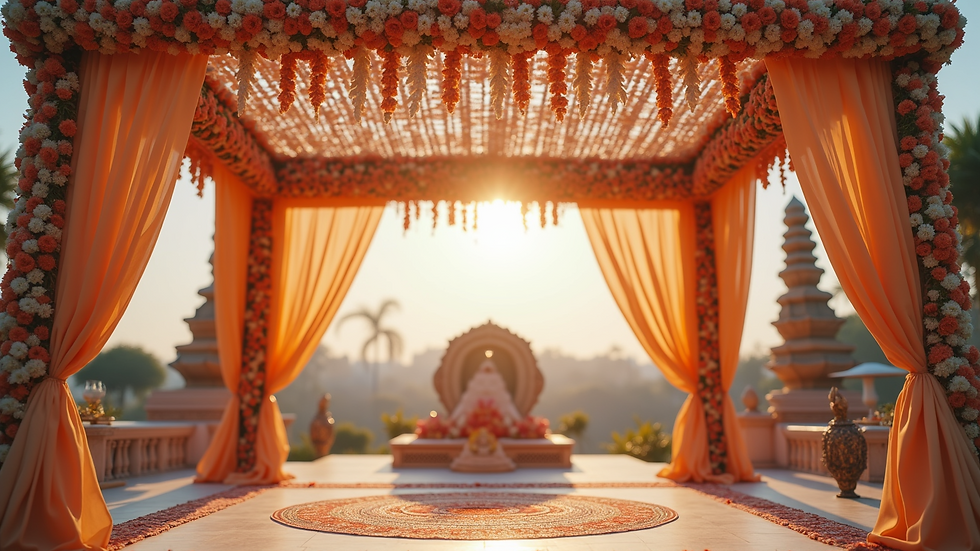
Choose the right venue: The mandap, or wedding altar, should be spacious and decorated with traditional elements.
Coordinate with families: Hindu weddings involve many relatives. Clear communication helps avoid confusion.
Plan for cultural nuances: Different regions have unique customs. Respect these differences when organizing the event.
Prepare for multiple days: Allocate time for pre-wedding and post-wedding ceremonies.
These steps help create a smooth and meaningful celebration.
Spiritual Significance and Modern Adaptations
The spiritual core of a Hindu wedding remains strong despite modern changes. The rituals symbolize commitment, respect, and unity. They connect the couple to their heritage and faith.
At the same time, many couples blend tradition with contemporary elements. For example:
Destination weddings in exotic locations.
Fusion attire combining traditional and modern styles.
Personalized vows alongside traditional mantras.
These adaptations make the ceremony personal and memorable while honoring its roots.
The hindu wedding ceremony is a beautiful blend of spirituality and celebration. It offers a profound experience for everyone involved.
Embracing the Journey of a Traditional Hindu Wedding
Experiencing a traditional Hindu wedding is a journey through culture, faith, and love. It teaches patience, respect, and the importance of family. For those planning such weddings, embracing every ritual enriches the experience.
Whether you are organizing a destination wedding or seeking spiritual guidance, understanding these ceremonies helps you honor their true meaning. The vibrant colors, sacred chants, and heartfelt vows create memories that last a lifetime.
By respecting tradition and welcoming modern touches, you can celebrate a wedding that is both timeless and unique. This balance makes the traditional Hindu wedding a truly beautiful event.


Comments